
News
A new device for rapid hemostasis in vascular puncture and accidental injuries - the bandage-type hemostatic patch
10/25/2026Venipuncture is commonly employed for intravenous infusion and blood collection. In clinical practice, nurses typically prioritise achieving immediate venipuncture, often overlooking the critical importance of needle removal and haemostasis. Currently, post-puncture haemostasis is usually achieved by applying pressure with cotton swabs or balls, though some utilise infusion patches or dressing pads for this purpose.
Inadequate local pressure application following needle removal may lead to bleeding, subcutaneous bruising, redness, swelling, and pain at the puncture site. This not only causes unnecessary discomfort to the patient but also complicates subsequent punctures, frequently prompting dissatisfaction from patients and their families.
Venipuncture creates two puncture sites: a skin puncture and a vascular puncture. Due to variations in needle insertion angle, skin fat thickness, vascular depth, and operator technique, the needle may traverse a segment parallel to the vessel before entering it. Consequently, the skin puncture and vascular puncture often occur at different locations.
Research indicates that compression using an infusion pad yields lower rates of bleeding and bruising compared to cotton swab compression. With the traditional cotton swab method, the small size of the swab often leads patients to focus solely on compressing the skin puncture site, neglecting the vascular puncture. Furthermore, uneven pressure and displacement of the swab can prevent accurate alignment with the bleeding point, resulting in persistent bleeding and subcutaneous bruising.
Clinically prevalent infusion patch compression techniques include thumb compression, hypothenar compression, thenar compression, three-finger compression, and four-finger compression. Each method exhibits distinct advantages and disadvantages: thumb compression yields the lowest subcutaneous bleeding rate, four-finger compression produces the lowest bruising rate, while thenar compression causes minimal discomfort.
However, achieving the desired outcomes with these haemostasis techniques requires specialised training. For paediatric, geriatric, and incapacitated patients, nurses must still perform these procedures, consuming significant nursing time, reducing efficiency, and adding to the already considerable burden of nursing duties.
How to achieve effective haemostasis after venous cannula removal, reduce bleeding and bruising rates, enhance work efficiency, alleviate nursing workload, and improve patient satisfaction remains a worthy research topic.
Addressing these challenges, Suzhou Boda Innovation Technology Co., Ltd. has developed a ligature-style haemostatic plaster following nearly three years of research and testing. The product comprises reusable, easily releasable straps, a dressing carrier, and medical dressing material, suitable for haemostasis following arterial and venous punctures as well as accidental injuries.
Beyond standard plaster functionality, the ligature-style haemostatic plaster achieves physical haemostasis through pressure generated by the bandage's binding mechanism. For varying wound types, either flat or convex dressing carriers may be selected. This approach not only facilitates rapid haemostasis and reduced bruising rates but also enhances nursing efficiency.
Compared to conventional medical adhesive plasters and dressing tapes, the bandage-style haemostatic plaster entirely eliminates medical adhesives. It secures medical dressings using straps, ensuring a more robust connection without adhering to surrounding skin or body hair. This design protects skin and wounds while preventing medical adhesive-related skin injuries (MARSI).
The tourniquet-style haemostatic plaster integrates the advantages of traditional plasters, medical dressings, bandages, and tourniquets. Suitable for securing to the limbs, it not only stops bleeding and prevents infection through medical dressings but also allows adjustable tightness to maintain essential peripheral circulation. This facilitates quicker wound management with enhanced safety and convenience.
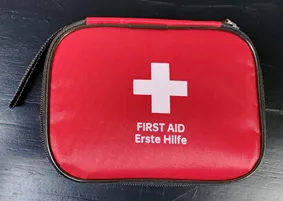
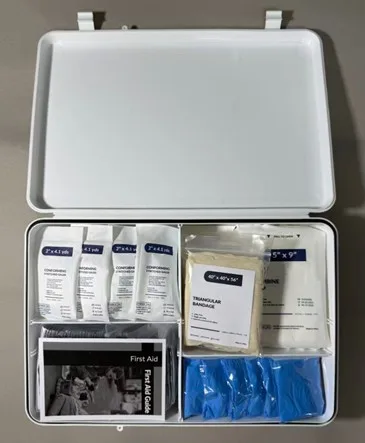
The tourniquet-style haemostatic plaster is suitable for inclusion in first-aid kits and medical care packs. Compact, lightweight and portable, it can be fitted with a rotary compression haemostatic device. Straps of the same width can be joined together to extend the length, making it particularly suitable for emergency haemostasis and rescue operations during outdoor activities, military operations and police work.
Please read on, stay posted, subscribe, and we welcome you to tell us what you think.
No.766 Huayuan Road, Xiangcheng District, Suzhou City, Jiangsu Province, China


Copyright © 2025 SUZHOU BADA INNOVATION TECHNOLOGY CO., LTD. All Rights Reserved. Sitemap | blog | Xml | Privacy Policy  Network Supported


 English
 Japanese